
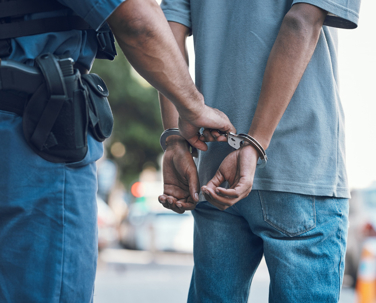
If you were arrested for a Simple Battery in Florida—or think you might be—you’re probably asking:
How did the police decide to make an arrest so quickly?
The answer is often simpler than people expect. Many battery arrests are based on limited, on-the-scene evidence, not a long investigation.
Understanding how these cases are built can help you evaluate your situation—and what to do next.
What Counts as Battery in Florida?
Under Florida Statute 784.03, battery occurs when a person:
- intentionally touches or strikes another person against their will, or
- intentionally causes bodily harm
This definition is broad. Even minor, unwanted contact—like pushing or grabbing—can lead to a criminal charge.
Why Battery Arrests Happen So Quickly
Police do not need overwhelming proof to make an arrest. They only need probable cause, which is a relatively low legal standard.
That means:
- no video is required
- no serious injury is required
- no independent witness is required
If an officer believes a battery occurred, an arrest can happen immediately—even when the situation is disputed.
Arrested for Battery? Don’t Assume the Case Is Strong
Battery cases are often based on conflicting statements and limited evidence. The initial report does not always tell the full story.
If you were arrested in Jacksonville or surrounding areas, early legal advice can make a significant difference in how your case is handled.
Contact Mesic Law to review your situation and understand your options.
What Police Look for during a Battery Investigation
When officers respond to a battery call, they are trained to gather specific types of evidence quickly.
1. Statements from the Alleged Victim
In many cases, the alleged victim’s statement is the key piece of evidence.
Officers will ask:
- what happened
- whether the contact was intentional
- whether the person felt harmed or threatened
Even without injuries, a clear statement describing unwanted contact may lead to an arrest.
2. Visible Injuries (Even Minor Ones)
Police look for:
- redness
- scratches
- bruising
- swelling
Photos are often taken. However, injuries are not required to support a battery charge.
3. Witness Statements
Officers will try to identify:
- bystanders
- neighbors
- family members
Even one witness who supports the allegation can influence the decision to arrest.
4. Physical Evidence at the Scene
Police may document:
- damaged property
- signs of a struggle
- objects involved in the incident
These details can be used to support a claim that a physical altercation occurred.
5. Body Camera Footage and 911 Calls
Investigations often include:
- body camera footage
- 911 recordings
- statements made at the scene
These recordings can capture tone, emotion, and immediate reactions.
6. Self-Defense or Mutual Conflict
Officers evaluate whether:
- one person acted in self-defense, or
- both parties were involved in a confrontation
Even if self-defense is raised, an arrest may still occur if probable cause exists.
7. Prior History Between the Individuals
Officers may consider:
- prior calls to the location
- history between the individuals
This context can influence how the situation is interpreted.
8. Determining the “Primary Aggressor”
In many cases—especially those involving domestic situations—officers decide who they believe is the primary aggressor.
This affects:
- who is arrested
- whether a no-contact order is issued
- how the case proceeds
Why Battery Charges Are Often Based on Limited Evidence
Battery cases are frequently built on:
- statements
- minor physical evidence
- observations at the scene
This is why arrests happen even when:
- stories conflict
- the situation was a misunderstanding
- there is little or no physical proof
Related Charges You Should Understand
Battery charges are often connected to other offenses, depending on the circumstances.
For example:
- assault involves threats rather than physical contact
- domestic violence battery applies when the individuals have a qualifying relationship
- aggravated battery involves serious injury or other enhancing factors
Understanding the differences can be important when evaluating how serious a case may become.
How This Can Affect Your Case
Because battery arrests are often made quickly, important issues may arise later, including:
- inconsistencies in witness statements
- lack of corroborating evidence
- questions about intent
- possible self-defense claims
These factors can be critical in determining whether a charge can be reduced or dismissed.
Charged with Battery in Northeast Florida? Act Early.
A battery charge can affect:
- your criminal record
- your job opportunities
- your professional licenses
The earlier you take action, the more options you may have.
If you were arrested in Jacksonville, Duval County, Clay County, St. Johns County, or Nassau County, now is the time to get answers.
At Mesic Law, we work with clients early in the process to:
- evaluate the evidence
- identify possible defenses
- develop a strategy based on the facts
Call today or request a consultation to discuss your case.
Final Takeaway
Police do not need overwhelming evidence to make a battery arrest in Florida. Many cases begin with:
- a single statement
- minor or no injuries
- quick decisions made at the scene
That does not mean the case is strong—but it does mean you should take it seriously from the start.
Related Reading
To learn more, you may also want to read:
- Simple Battery page
- Domestic Battery page
- Assault page