
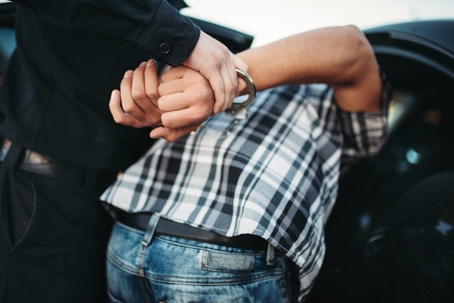
Being arrested for domestic battery in Florida is overwhelming—especially when there were no visible injuries, the argument was verbal, or the situation escalated quickly and was misunderstood. Many people believe that if no one was hurt, the charge will simply “go away.” Unfortunately, that is not how Florida law works.
As a Jacksonville criminal defense attorney, I see cases like this every week. Understanding what you’re facing—and what to do next—is critical.
Florida Domestic Battery Does Not Require Visible Injury
Under Florida law, domestic battery can be charged even if there are no bruises, scratches, cuts, or visible marks. The statute allows prosecutors to move forward based solely on someone’s statement, or an officer’s belief that physical contact occurred.
Common situations I see include:
- A heated argument where one person calls the police out of fear or frustration and indicates a push or shove or a slap.
- A neighbor overhears yelling and calls 911 because they believe the argument escalated.
- Police see signs of stress (crying, shaking, raised voices) accompanied by statements of a victim that has been drinking and make an arrest.
- Mutual pushing or blocking a doorway to leave.
- One partner trying to take a phone away.
In Florida, if officers believe any unwanted physical contact occurred, they are required to make an arrest—even if both people say they do not want to press charges.
Why Cases Without Injury Are Still Serious
Even without injury, a domestic battery charge is a first-degree misdemeanor, punishable by:
- Up to 1 year in jail
- Up to 1 year of probation
- Mandatory 26-week Batterers’ Intervention Program
- Permanent criminal record (not eligible for sealing if convicted)
The no-contact order issued at first appearance can also:
- Force someone to move out of their home overnight.
- Limit or block contact with children.
- Create custody and family law complications.
This is often the hardest part for families.
How These Cases Are Often Defended
A strong defense depends on acting quickly. Useful strategies include:
- Challenging the arrest decision (officer’s “primary aggressor” analysis).
- Showing lack of intent.
- Demonstrating mutual contact or self-defense.
- Presenting recordings, texts, screenshots, or witness statements.
- Working to modify the no-contact order so the family can communicate again when appropriate.
- Negotiating with the State Attorney before formal filing.
Many domestic battery cases can be reduced, diverted, or dismissed—especially when there’s no injury, no prior record, and both parties want to reconcile.
What to Do Right Now if there is No Contact Order
- Do not text or call the alleged victim, even if they reach out. The no-contact order applies to you, not them.
- Start preserving evidence—screenshots, call logs, messages.
- Write a timeline of what happened while it’s fresh.
- Contact a defense attorney before your arraignment.
Speak With a Jacksonville Domestic Battery Defense Attorney
If you or someone you love is facing a domestic battery charge without injury in Jacksonville, Clay, or St. Johns County, call my office. We have helped many clients avoid convictions, avoid entering a plea to domestic battery, and get no-contact orders modified when appropriate.
Call Mesic Law at (904) 615-8950 to schedule a confidential consultation.